

Humidity is one of the environmental factors that can significantly impact the performance and lifespan of LED display panels. As a trusted LED display panel supplier, I've witnessed firsthand how humidity affects these sophisticated devices. In this blog, we'll delve into the various ways humidity can influence LED display panels and why it's crucial to manage it effectively.
How Humidity Affects LED Display Panels
Electrical Conductivity and Short - Circuits
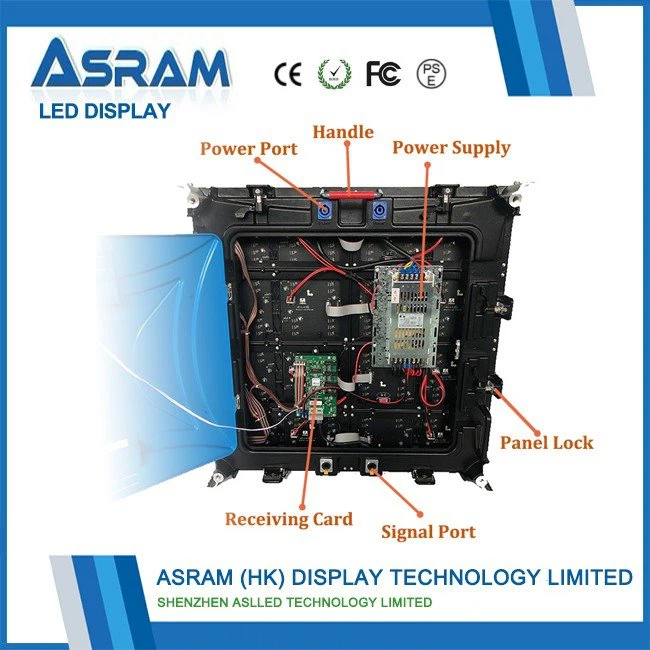
High humidity levels can increase the electrical conductivity of the air and on the surface of the LED display panel. Moisture can act as a conductor, allowing electricity to flow in unintended paths. This can lead to short - circuits within the panel's delicate circuitry. For instance, if moisture settles on the printed circuit boards (PCBs) of an LED display, it may cause different electrical components to connect in an improper way. This can not only damage the individual components but also render the entire display panel inoperable.
Corrosion of Components
Moisture in high - humidity environments can cause corrosion of the metal components in LED display panels. The LEDs themselves often have metal leads, and the PCB has traces made of metal. When exposed to humidity, these metals can react with oxygen and water to form metal oxides or hydroxides. For example, copper traces on a PCB may corrode over time in a humid environment. Corrosion can disrupt the electrical connections, reducing the efficiency of the LED display and gradually causing it to fail. Besides, corrosion can also affect the mechanical integrity of the components, making them more prone to breakage.
Optical Performance
Humidity can also have an impact on the optical performance of LED display panels. Condensation can form on the surface of the display when there is a significant temperature difference between the air and the panel, especially in high - humidity conditions. This condensation can scatter the light emitted by the LEDs, reducing the display's brightness and clarity. It can also cause color distortion, making the images on the display look hazy or inconsistent.
Delamination of the Panel
The different layers in an LED display panel are often bonded together using adhesives. High humidity can cause these adhesives to lose their strength, leading to delamination. Delamination means that the layers of the panel start to separate, which can severely affect the overall structural integrity and performance of the display. Once delamination occurs, the LED display may show signs of uneven lighting or even malfunction due to the disruption of the internal connections between the layers.
Different Stages of Impact Based on Humidity Levels
Low Humidity
While high humidity is often the main concern, extremely low humidity can also cause problems. In a very dry environment, static electricity can build up more easily. Static electricity can discharge suddenly and damage the sensitive electronic components in the LED display panel. It can also attract dust particles, which can accumulate on the display surface and affect its visual quality.

Moderate Humidity
In general, a moderate humidity level (around 40% - 60%) is considered ideal for LED display panels. At this level, the risk of electrical short - circuits, corrosion, and other humidity - related issues is minimized. The components can operate within their optimal environmental conditions, and the display can maintain good optical and mechanical performance.
High Humidity
When the humidity level exceeds 80%, the risks to the LED display panel increase significantly. Rapid corrosion can occur, and condensation may form easily. High humidity also promotes the growth of mold and mildew on the panel, which can further damage the components and pose a health risk to the users in some cases.
Real - World Examples and Product - Specific Impacts
Let's take a look at how humidity can affect some of our popular products.
For our P2.5 Portable Floor Standing Led Poster Display, if it's used in a high - humidity environment, the internal components may corrode faster. This portable display is often used for events indoors, but if the venue has poor climate control, the high humidity can lead to short - circuits or reduced brightness over time.
Our Indoor HD P3 Full Color LED Video Display Wall is designed for high - definition video playback. However, in a humid environment, condensation on the display surface can compromise the clarity of the images. Viewers may notice a loss of sharpness and color accuracy, which is a major drawback for a display that is supposed to provide a premium visual experience.
The LED Screen P5 Indoor Rental Video Wall Displays are commonly used for large - scale indoor events. High humidity can cause delamination of the display layers, especially if the displays are stored in a humid warehouse for an extended period. This can lead to uneven lighting across the video wall, making it less suitable for high - profile events.
Mitigating the Impact of Humidity
As an LED display panel supplier, we understand the importance of helping our customers mitigate the impact of humidity. Here are some strategies:
Environmental Control
Using air - conditioning and dehumidifiers in the installation area can help maintain a stable humidity level. This is especially important for indoor installations where the environment can be more easily controlled. By keeping the humidity within the optimal range, we can significantly reduce the risk of humidity - related damage to the LED display panels.
Sealing and Encapsulation
Proper sealing and encapsulation of the LED display panels can prevent moisture from entering the internal components. We use advanced sealing techniques in our manufacturing process to ensure that our panels are more resistant to humidity. This includes using waterproof gaskets and coatings on the panels to create a barrier against moisture.
Regular Maintenance
Regular maintenance is essential to detect and address any early signs of humidity - related damage. This can include cleaning the display surface to remove dust and moisture, inspecting the components for corrosion, and checking the electrical connections. By performing routine maintenance, we can extend the lifespan of the LED display panels and ensure their optimal performance.
Conclusion
Humidity can have a profound impact on LED display panels, from affecting their electrical performance to degrading their optical quality. As a supplier, we are committed to providing high - quality LED display panels that are designed to withstand various environmental conditions, including humidity. However, it's also crucial for our customers to take proactive measures to manage the humidity in the installation environment.
If you're interested in purchasing LED display panels or need more information on how to protect them from humidity, we're here to help. Contact us for a detailed discussion on your specific requirements and how we can provide the best solutions for your needs.
References
- "Handbook of LED Technology" by XYZ Publishing
- "Environmental Factors Affecting Electronic Displays" - A research paper from ABC University
- Industry reports on LED display technology and environmental considerations published by DEF Research Institute