
Green environmental protection has become a major theme of today's era, so how can LED companies develop and design LED displays that do not produce light pollution and waste electrical energy, which has become an important product performance that manufacturers must solve.

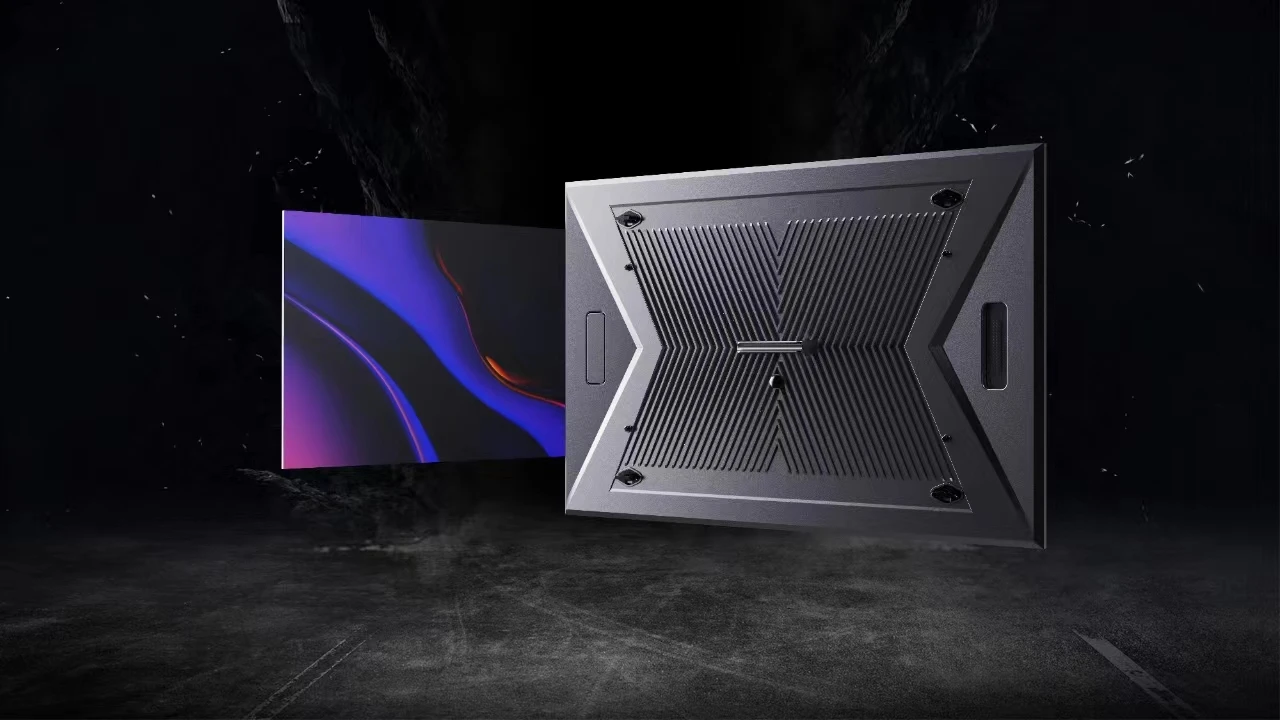
In different location environments and time periods, a slight change in the brightness of the display will have a great effect. If the playback brightness of the LED display is greater than 50% of the ambient brightness, we will obviously feel discomfort in the eyes, which will cause "light pollution".
Then we can collect the ambient brightness at any time through the outdoor brightness acquisition system, and use the display control system to broadcast the picture by receiving the system data and automatically converting it into the brightness suitable for the environment through the software.


In terms of power consumption, although the luminescent materials used in the LED display itself are energy-saving, some of them need to be used in occasions with a large display area. Due to the long-term use, the overall power consumption is still large. Therefore, enterprises can use the following 5 points to save energy:
(1) By using high-efficiency LEDs, the light-emitting chip does not cut corners;
(2) High-efficiency switching power supply is adopted to greatly improve the power conversion efficiency;
(3) Carry out an excellent heat dissipation design of the screen body to reduce the power consumption of the fan;
(4) Design a scientific overall circuit scheme to reduce the power consumption of internal circuits;
(5) According to the changes of the external environment, the brightness of the outdoor display screen is automatically adjusted, so as to achieve the effect of energy saving and emission reduction;
For more product information and pricing, please contact us.